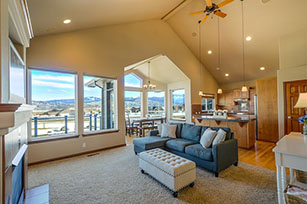
Staging your Arizona Home for maximum buyer appeal
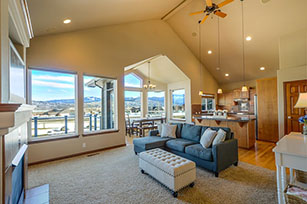
In today’s buyer’s market, Valley home sellers need to take specific steps to attract buyers and one-up the competition. Increased inventory in the Phoenix market means home sellers must rally their innermost motivational forces to do what is necessary to attract potential buyers right out from under a sea of competitors. You can do it, but you’ll need to roll up your sleeves and prepare to invest some time (and maybe even some cash) to achieve a swift and successful home sale. Even in this competitive market, homeowners who make a real effort to showcase their residence for maximum buyer appeal stand a chance of reaping the rewards of multiple offers in a short time frame—but it takes planning, diligence, and an impartial frame of mine.
Early on, before you list your home, start visiting open houses and model homes in your area to get an idea of what your competition is doing, then mimic those with the best buyer appeal, and avoid the mistakes of sellers who just throw a sign up on the lawn and wait…and wait, as bidders snatch up other properties in the neighborhood.
If you’re a motivated seller, here are some expert tips to make your house stand out to potential buyers in a sea of market inventory.
1. Declutter
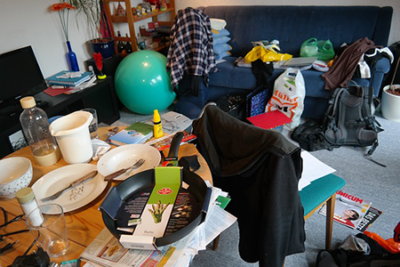
Declutter - Getting started
- Set a schedule
- Tackle one room at a time.
- Set a deadline for completion.
- Start small and pace yourself to maintain a steady level of motivation.
- Categorize your clutter. Separate items to save/pack, donate, and toss out.
- Let go. Be ruthless. Apply the one year rule – if you haven’t used it in a year, donate or toss.
- Pack it up. Kill two birds with one stone by packing away the items you’re keeping and moving to your new house, but don’t need to use anytime soon. Put packed boxes in rented self-storage facility if possible. Avoid storing packed items in your home’s garage, attic, basement, or other storage areas. Buyers covet storage space—if yours is packed with boxes, excess furniture, holiday decorations and other trappings, it diminishes their perception of the actual storage space they crave.
- Clear out closets. Remove items from all floor space (area rugs, bean bag chairs, excess furniture, and shoes in the closet) to make the rooms and closets appear more spacious.
2. Depersonalize
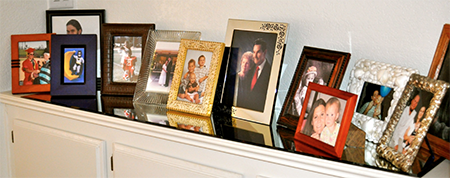
Pack away all family photos, your Hummel collection, and all but the most essential toys. Have your children choose a few favorite playthings and have them help you pack up the rest to “keep them safe until you move to your new home.” Remove the children’s artwork and your magnet collection from the refrigerator and clear all countertops (bathrooms and kitchen), table tops and desktops of appliances, accessories, books, papers, and miscellaneous household flotsam and jetsam. Expose those shiny, clean surfaces that buyers want to see. Keep your coffee maker and toaster tucked away in a cabinet after breakfast.
Religious artifacts, sports memorabilia, political ephemera and the like should all go into storage. Often, even the most subtle or artful objects can, rightly or wrongly, offend some buyers and give them a negative impression of your house. Professional stagers avoid creating a distinct personal style in a home they’re staging to sell, opting instead for neutral color palettes for walls, carpet, and furnishings. They also stick to minimal design elements that appeal to a broad range of buyers who respond more favorably to a subtle canvass when they’re visualizing their family, their furnishings, and their décor in the space.
3. Leverage the attention-grabbing advantage of professional-quality photos:

Don’t under-estimate the power of high-quality, professional photos of your home’s interior and exterior. Great photos not only show online viewers the most appealing aspects of a home, but they also draw serious bidders to the property since these images stand out among the hundreds (or even thousands) of listings they peruse online. Exceptional photos can help ignite bidding wars, and potentially reduce the length of time your house sits on the market.
Too many home sellers lose the absolute critical first 30 days on the market by neglecting critical essentials like hiring a professional real estate photographer (a bargain when it comes down to the return on investment (ROI). Decluttering and depersonalizing the house, making minor (or major) repairs and improvements, or staging the home for buyer appeal also fall low on their priority list. This reluctance to invest in the successful sale of a home sabotages any notions of a positive outcome.
Instead of taking effective, actionable steps to achieve their goals and get the house sold, lax sellers almost always settle on plan B: if it doesn’t sell quickly, they’ll reduce the price after 30 days. Their first mistake was, most likely, pricing it too high to begin with—an inexperienced home seller is very likely to get caught up in the excitement of a presumptive financial windfall. Unfortunately, these sellers are more likely going to hire an inexperienced or indifferent agent who readily agrees to list the property at the client’s inflated price simply to hang on to the listing. This is another painful lesson that many naïve sellers learn the hard way. A reputable agent will offer professional guidance on the industry’s method for determining a home’s market value and prevail upon the seller to price their home for a positive and realistic outcome.
4. Pricing your home right: overpriced homes won’t sell, even after you lower the price

The fact is, no matter how much money you think your home is worth, pricing a house to sell is a science of sorts. It requires comparing similar properties in the area, adjusting the pricing according to what competing properties have to offer, tracking market movements, and taking stock of current inventory in order to determine the home’s value, or range of value, according to experts. It’s a practical, fact-based method that sellers should not dismiss. Lenders provide mortgage loans to home buyers based on the property’s true market value. The seller’s opinion is not a factor for negotiation, even if the seller finds a buyer willing to pay the seller’s price (unless the buyer wants to pay cash). No lender will loan a borrower more money than a property is worth.
Appraisers utilize the same method when evaluating a home’s value, and while no two appraisals ever match exactly, they’re generally in the same ballpark. In a nutshell, there is no pulling a home’s price tag out of a seller’s emotional estimation of the home’s value. The numbers have to match up with market value—what a property can sell for in a competitive market is based on the features and benefits of that property, the overall real estate market, supply and demand, and the prices at which similar properties in the same condition have sold.
Pricing your home right is critical to selling it. Your asking price determines how long your home will sit on the market. Pricing a home too high is a huge risk at best, and a devastating setback at worst. Such an ill-advised decision can dramatically reduce the number of interested buyers willing to view the house, and as a result, the home sits on the market too long. Houses that remain on the market too long evoke misgivings in buyers who steer clear, So, even if you lower your price to one that reflects market value after 30 days, buyers have by now become dubious and have moved on. At this point, many sellers who made the mistake of overpricing at the start decide they have no choice but to take the home off the market and wait six months or more before they relist.
The reason why sellers should not overprice their home is simple. It won’t sell! Conventional wisdom once endorsed pricing high to encourage buyers to make a counter-offer that could still have benefited the seller. This logic no longer applies in modern markets. Not only do over-priced homes fail to sell, once you’ve overpriced your property the odds are stacked against you that it will sell for what it should have if priced properly from day one!
5. Curb appeal
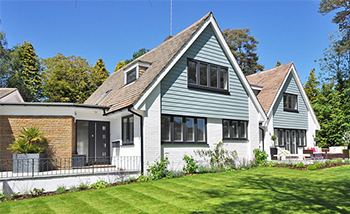
Arizona provides the kind of drop-dead beautiful outdoor environment that inspires many homeowners to showcase their home’s exterior charm with native desert landscaping and outdoor living spaces that capitalize on the desert’s extraordinary and distinctive flora and fauna. Huge expanses of space punctuated by the surprising mien of the saguaros, cactuses, Palo Verde trees, native succulents, and countless wildflower species in the colorful, yet rugged spectacle of the desert provide an amazing diversion for desert gazers to take it all in while soaking up the sun’s warmth. It’s a sensory overload in the best way imaginable, surrounded by mountains, deserts, canyons, valleys, plateaus, prairies and rivers that intoxicate even casual observers.
Curb appeal is essential to home values in Arizona. It carries considerable influence in attracting home buyers, and a well-tended desert garden, a yard blanketed in drought-tolerant grasses and desert native trees, outdoor living spaces that merge nature and lifestyle bliss seamlessly. Curb appeal also includes impeccably maintained façades and entryways that capture home buyers’ attention at a glance.
Unfortunately, many home sellers overlook the potential of curb appeal; they disregard the forsaken lawn furniture scattered randomly around the yard, the overgrown bushes, the weathered front door, peeling trim paint, and other baffling eyesores that deter buyers from viewing the home’s interior. Curb appeal is all about first impressions, and you know you only get one chance at a making a good one.
Before listing your Arizona home for sale, walk around your property, objectively viewing every aspect—structural integrity, landscape conditions, tidiness, cosmetic flaws. How does your home’s exterior look? Do you see any wood rot? When was it last painted? Is there any noticeable damage or discoloration of the siding? Are there any cracks or holes in the stucco that need repair?
First impressions begin with your home’s exterior, and once you list it, the exterior will be viewed repeatedly in photos across numerous websites and browsers by potential home buyers. Your home’s exterior should receive the time and resources necessary to make sure it attracts serious buyers. Pay close attention to every detail as you survey your home’s periphery and surfaces. View it from every imaginable angle, and make an honest assessment of its front façade, door, and entryway—your home’s curb appeal focal point. View your property impartially and unsentimentally; is there any debris, toys, tools, or other items scattered about? Do gutters and door frames need any surface repairs or cosmetic touch-ups? Does anything need replacing? Is the home’s siding or paint noticeably chipped or discolored?
6. Make the necessary updates to compete in a buyer’s market
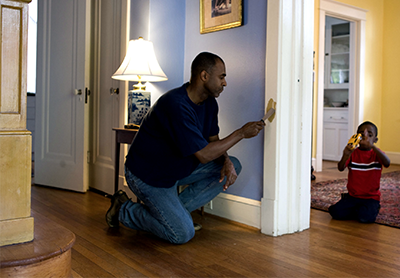
Paint interior rooms throughout the house in a neutral palette. Replace the carpeting in every room—buyersnotice the carpeting, and when it’s fresh and new, it can dramatically speed up the sale. New carpeting usually pays home sellers back in spades.
Skip the kitchen remodel unless you want to spend the money and your kitchen is particularly old and ratty. In bathrooms, replace old discolored grout and broken tiles. Depending on the condition of your existing toilets, sinks, sink cabinets, and bathtub/showers, consider replacing any that are damaged, permanently stained, outdated or color-tinted. White fixtures are universally appealing. Replace laminate countertops with anything else.
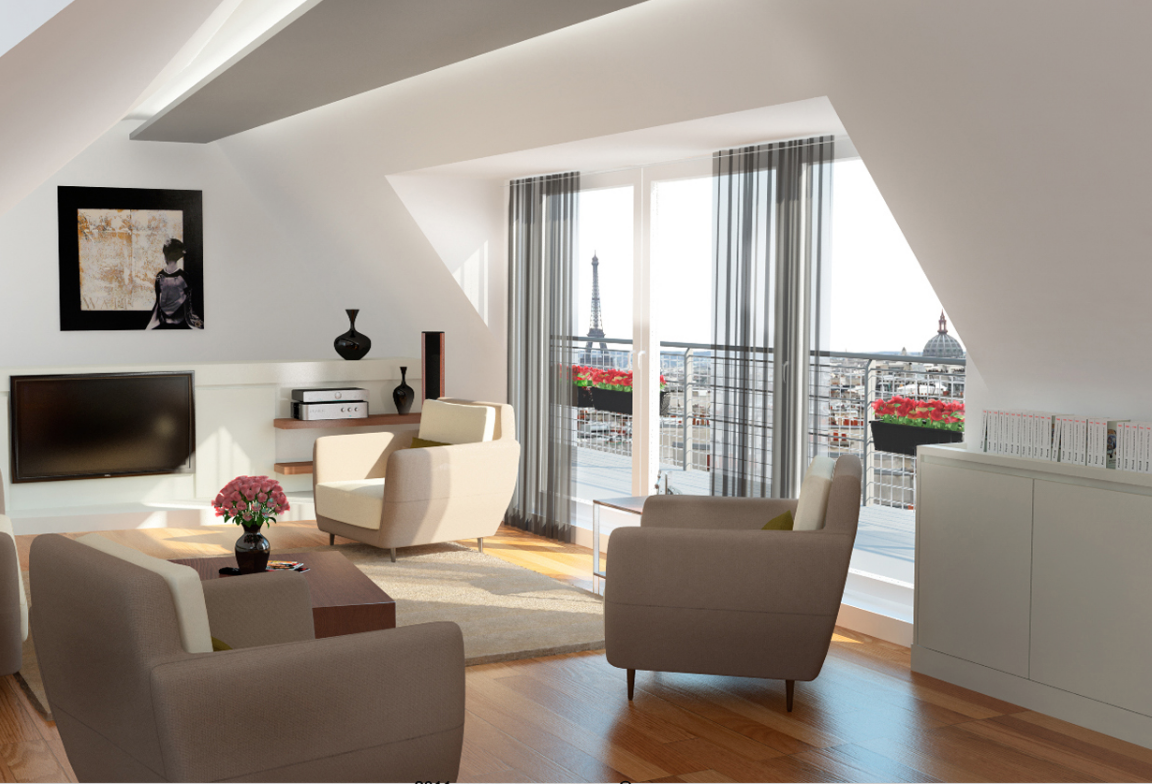
7. Stage your home. Marketing and listing photos that feature a skillfully staged home always stand out among the sea of listings that buyers search through online. Enlist a professional stager or stage your home yourself with just enough furniture in each room to give potential buyers a visual reference for how they can use the spaces. Keep furnishings minimal; you want to give the perception of maximum space throughout the home. Staged homes routinely sell faster than non-staged homes.